Flower Bed Creation in Barbican: Stylish, Practical, and Built for Lasting Impact
Creating a beautiful outdoor space begins with thoughtful planning, and flower bed creation in Barbican is one of the most effective ways to transform a garden, courtyard, frontage, or shared outdoor area. Whether the goal is a neat residential border, a colourful seasonal display, or a low-maintenance planting scheme that thrives in an urban environment, flower bed design can completely change the feel of a property. In Barbican, where outdoor spaces often need to balance elegance, function, and space efficiency, a well-planned flower bed offers structure, colour, and year-round interest.
The appeal of flower bed creation in Barbican lies in how adaptable it is. Small front gardens, paved courtyards, roof terraces, and larger suburban plots can all benefit from carefully designed beds that suit the setting. A good flower bed is not just about plants; it is about soil preparation, drainage, layout, seasonal planning, and long-term maintenance. When those elements come together, the result is a space that feels polished and inviting.
From traditional cottage-style planting to sleek modern arrangements, flower bed creation in Barbican can be tailored to match the architecture and character of the property. It can also be designed with wildlife in mind, bringing pollinators, birds, and beneficial insects into the garden. For homeowners, landlords, and property managers alike, investing in a well-built flower bed is a practical way to increase kerb appeal and outdoor enjoyment.
Why flower bed creation in Barbican matters

Barbican properties often benefit from outdoor features that are both visually attractive and easy to maintain. Flower bed creation in Barbican helps soften hard landscaping, add texture to clean architectural lines, and introduce seasonal colour into spaces that might otherwise feel plain or underused. In dense or built-up surroundings, even a modest flower bed can create a significant visual difference.
One of the strongest reasons to invest in flower bed creation is the way it frames a property. A carefully edged bed along a path, boundary wall, or patio edge creates definition and a sense of order. It can also improve the first impression of a home or business premises. In many cases, a flower bed becomes the feature that ties the whole outdoor area together.
Another major advantage is flexibility. Flower bed creation in Barbican can be adapted to suit different budgets, sizes, and levels of maintenance. Some people want a colourful display that changes through the seasons, while others prefer evergreen structure with occasional bursts of floral interest. The design approach can also support sustainability by using drought-tolerant planting, mulch, and efficient watering methods.
Planning a successful flower bed
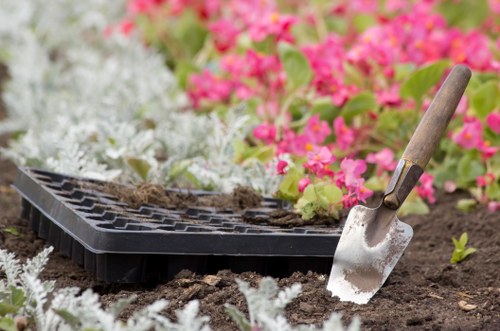
Every successful flower bed begins with a plan. The best flower bed creation in Barbican projects start by assessing the available space, sunlight levels, soil condition, drainage, and the overall look that the homeowner wants to achieve. It is important to think about the bed as part of the entire landscape rather than an isolated feature.
Before planting begins, the shape and position of the bed should be carefully considered. Straight lines may suit a contemporary frontage, while curved edges can soften a traditional garden. The depth and width of the flower bed also matter, because these factors affect both visual impact and the types of plants that can be used. A narrow bed may be best for low-growing plants, while a deeper bed can accommodate layered planting with shrubs, perennials, and seasonal flowers.
It is also wise to think ahead. Flower bed creation in Barbican should support not only the immediate look of the garden but also its future growth. Plants need room to mature, and the bed should allow for easy access when pruning, weeding, and feeding. Careful planning at the beginning reduces problems later and helps the flower bed remain attractive for many years.
Preparing the ground properly
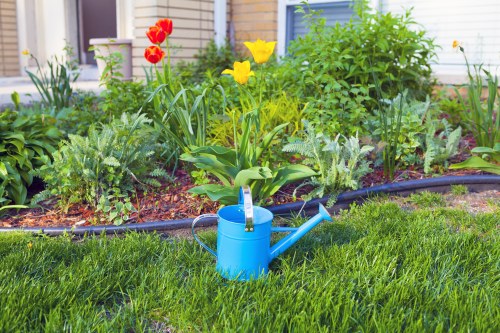
Ground preparation is one of the most important stages in flower bed creation. Without good preparation, even the best plants may struggle. In Barbican, where urban soils can sometimes be compacted or depleted, improving the ground is often essential. A healthy foundation helps plants establish more quickly, improves drainage, and supports stronger flowering.
The area should be cleared of grass, weeds, roots, and debris before any planting begins. Existing soil may need to be loosened and enriched with organic matter such as compost or well-rotted manure. This improves texture, boosts fertility, and encourages beneficial soil life. In some situations, raised beds or additional topsoil may be the best option, especially where drainage is poor or the existing ground is not suitable for planting.
Flower bed creation in Barbican often benefits from the addition of mulch after planting. Mulching helps retain moisture, suppress weeds, and regulate soil temperature. It also creates a neat, finished appearance. When used correctly, mulch supports a lower-maintenance planting scheme and keeps the bed looking tidy throughout the year.
Choosing the right plants for Barbican conditions

Plant selection is where flower bed design becomes personal and expressive. A successful flower bed creation in Barbican project takes into account sunlight, shade, exposure, soil type, and the amount of maintenance the owner is willing to provide. The best plant mix usually combines structure, colour, and seasonal variety.
For sunny beds, options may include lavender, salvia, geraniums, echinacea, roses, and ornamental grasses. These plants can create a vibrant and resilient display while adding movement and fragrance. In shadier areas, hostas, hellebores, astilbes, ferns, heucheras, and shade-loving hydrangeas can bring depth and softness. Matching plants to the right conditions is key to long-term success.
It is also important to think about flowering seasons. A bed that relies only on spring or summer blooms may look bare at other times of year, so mixing evergreen plants with perennials and seasonal bedding helps keep interest alive. Flower bed creation in Barbican often works best when it includes layers of flowering times, ensuring that the garden remains attractive through spring, summer, autumn, and even winter.
Planting combinations that work well
Effective planting combinations can create a professional look without requiring a complicated layout. Consider using:
- Evergreen shrubs for year-round structure
- Perennials for reliable seasonal colour
- Annuals for quick visual impact
- Bulbs for spring and early-summer interest
- Ground cover plants to suppress weeds and fill gaps
When these elements are blended well, flower bed creation becomes both attractive and practical. The result is a bed that feels full, balanced, and easy to maintain.
Design styles for flower bed creation in Barbican
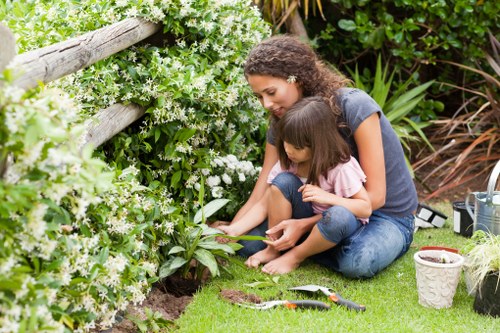
There is no single formula for flower bed design. One of the advantages of flower bed creation in Barbican is the ability to choose a style that reflects the property and the preferences of the owner. Whether the aim is classic, modern, wildlife-friendly, or low-maintenance, the design can be adapted accordingly.
A formal style may use crisp lines, symmetrical planting, and repeated plant choices for a neat and elegant effect. This works well near entrances, around patios, or along pathways. A more informal style might include soft curves, mixed heights, and a naturalistic planting palette that feels relaxed and welcoming. Both approaches can be successful when they are planned carefully.
Modern properties often suit architectural planting with bold foliage, sculptural shrubs, and limited colour palettes. Traditional homes may benefit from abundant blooms, layered borders, and romantic planting schemes. Flower bed creation in Barbican should always complement the surrounding architecture, because the best gardens feel connected to the buildings they surround.
Managing space in smaller Barbican gardens
Space can be limited in urban and central locations, but that does not mean flower beds have to be small in impact. In fact, flower bed creation in Barbican is often most effective when it uses space intelligently. Vertical layering, compact plants, and carefully defined borders can make even a modest garden feel larger and more refined.
Raised flower beds can be especially useful where access is difficult or where there is little usable soil. They can also improve drainage and provide a clearer separation between planted and hard landscaped areas. In small gardens, choosing a few strong focal plants can create more impact than overcrowding the space with too many varieties. Simplicity often looks more elegant and is easier to maintain.
Another useful strategy is to use planting that draws the eye upward and outward. Tall grasses, climbing plants on supports, and multi-level bed designs can create a sense of depth. With the right structure, flower bed creation in Barbican can make compact spaces feel purposeful, bright, and generous.
Maintenance for long-lasting results
A flower bed is only as good as the care it receives after installation. Ongoing maintenance is essential if flower bed creation in Barbican is to deliver lasting beauty. Maintenance does not have to be difficult, but it should be consistent. Regular tasks help the bed stay healthy, neat, and productive.
Typical maintenance tasks include watering, feeding, deadheading, pruning, weeding, and checking for pests or disease. Seasonal cut-backs and occasional plant replacement may also be needed. Mulch should be topped up when necessary, and edging may need to be refreshed to keep the bed crisp and defined. Good maintenance preserves the original design and protects the investment.
For those who want a low-effort option, choosing hardy perennials, drought-tolerant species, and evergreen structure can reduce the time spent on care. Flower bed creation in Barbican can be designed around busy lifestyles so that the garden still looks great without constant attention.
Simple maintenance checklist
- Water deeply during dry periods
- Remove weeds before they spread
- Deadhead spent flowers to encourage more blooms
- Trim overgrown plants when needed
- Refresh mulch to retain moisture and improve appearance
Seasonal interest and year-round appeal
One of the most rewarding aspects of flower bed creation is the ability to enjoy a changing display throughout the year. In Barbican, where outdoor spaces can be viewed from windows, balconies, or walkways, year-round appeal is especially valuable. A well-structured flower bed should look attractive even when some plants are out of bloom.
Spring bulbs such as tulips, daffodils, and crocuses can provide an early burst of colour. Summer planting may bring roses, daisies, salvias, and geraniums into focus. Autumn interest can come from asters, sedum, and ornamental grasses, while winter structure may be supplied by evergreens, berries, and plants with interesting stems or foliage. The mix should be chosen so that the bed never feels empty or neglected.
Flower bed creation in Barbican becomes especially effective when the planting plan accounts for these shifts. A bed that changes gracefully through the seasons keeps the garden engaging and helps the landscape feel alive. That continuous interest is one of the reasons thoughtful planting is so valued by property owners.
Improving kerb appeal with flower bed design
Kerb appeal matters to homeowners, landlords, and commercial property owners alike. A tidy, attractive flower bed can make a property stand out immediately. Flower bed creation in Barbican is often used to frame entrances, soften boundaries, and create a welcoming atmosphere before visitors even step inside.
The visual effect of a well-designed flower bed is stronger than many people expect. It can make a frontage look more cared for, more valuable, and more inviting. The colour and shape of the planting can also influence the mood of the space. Bright flowers create energy, while subtle planting can suggest calm and elegance. Either approach can work, depending on the overall style of the property.
When a flower bed is placed strategically near a walkway, doorway, or driveway, it becomes a visual anchor. It helps direct attention and creates a finished appearance. Flower bed creation in Barbican is therefore not just about gardening; it is also about visual presentation and property enhancement.
Sustainable and wildlife-friendly options
Modern flower bed creation increasingly includes sustainability. Many property owners now want beds that look beautiful while using fewer resources and supporting local biodiversity. Flower bed creation in Barbican can achieve this by choosing hardy plants, reducing water waste, and creating space for pollinators and other wildlife.
Planting nectar-rich flowers is a simple way to attract bees and butterflies. Including a mix of native and well-adapted non-native species can support habitat diversity. Avoiding chemical-heavy maintenance also benefits the wider environment. Compost, mulch, and organic soil improvement methods can keep the bed healthy naturally.
There are also practical sustainability benefits. Drought-tolerant planting reduces watering needs, while perennial-based schemes cut down on seasonal replanting. In this way, flower bed creation in Barbican can deliver both visual pleasure and environmental value. A garden that works with nature is often easier to care for and more rewarding over time.
Useful sustainable features
- Pollinator-friendly flowers
- Water-saving mulch
- Perennials with long flowering periods
- Compost-enriched soil
- Wildlife shelters or insect-friendly planting pockets
Working with hard landscaping
Flower beds do not exist in isolation. They often sit beside paving, fencing, brickwork, decking, or stone paths, and the relationship between soft planting and hard landscaping matters a great deal. Flower bed creation in Barbican works best when it balances these surfaces rather than competing with them.
For example, a clean stone path may look sharper with a low, neatly edged border beside it. A patio can be softened by layered planting in a raised bed. Brick walls can be enhanced by climbers or tall planting that adds vertical movement. The goal is to make the planted areas feel integrated with the wider layout.
Attention to edging also improves the overall finish. Timber, brick, stone, or steel edging can help define a bed clearly and stop soil from spilling onto surrounding surfaces. With the right materials and layout, flower bed creation in Barbican can elevate the entire outdoor area rather than just one corner of it.
Common mistakes to avoid
Even with a strong design idea, flower bed creation can go wrong if certain basics are overlooked. One of the most common mistakes is planting too densely. While it may seem appealing to create an instant full look, overcrowding often leads to poor air circulation, competition for nutrients, and messy growth later on.
Another mistake is ignoring the local conditions. Some plants may look attractive at the nursery but struggle if the site is too shady, too dry, or too exposed. Good flower bed creation in Barbican depends on realistic plant choices, not just visual preference. Choosing unsuitable species usually leads to more work and disappointing results.
It is also unwise to neglect structure. A bed made only of seasonal flowers may look impressive for a short time but lack depth and resilience. Combining structure, repeat planting, and consistent maintenance creates a far better result. Flower bed creation in Barbican is most successful when it is planned for both immediate beauty and long-term performance.
How professional flower bed creation adds value
Professional planting and design can make a substantial difference to the outcome. Experienced landscaping teams understand soil preparation, plant compatibility, drainage, and layout in a way that helps avoid costly mistakes. For many property owners, professional flower bed creation in Barbican saves time while producing a more refined and durable result.
A professional approach also means the design can be tailored to the exact needs of the site. Whether the space requires raised beds, low-maintenance planting, a formal frontage, or a pollinator-friendly display, the solution can be shaped to suit. This flexibility is especially valuable in Barbican, where outdoor spaces may vary widely in size, shape, and exposure.
In addition, professionally created flower beds often age better. Thoughtful planting combinations, correct spacing, and proper soil improvement all contribute to stronger results over time. If you want to create a garden feature that looks polished and stays attractive, flower bed creation in Barbican is worth doing properly from the outset.
Final thoughts on flower bed creation in Barbican
Beautiful gardens do not happen by accident. They are built through planning, preparation, and the right plant choices. Flower bed creation in Barbican offers a practical and stylish way to upgrade outdoor spaces, whether the goal is to improve kerb appeal, enhance a private garden, or make a compact area feel more vibrant and complete.
By considering soil quality, layout, planting style, seasonal interest, and maintenance needs, it is possible to create flower beds that deliver both immediate charm and long-term value. From modern clean-lined borders to lush, wildlife-friendly planting schemes, the possibilities are broad. The right design can bring structure, colour, and personality to any exterior.
If you are ready to transform your outdoor space, now is the ideal time to take the next step. Contact us today to discuss your ideas, or book your service now to begin your flower bed creation in Barbican with a design that suits your property and your goals. A well-planned flower bed is more than decoration; it is an investment in the beauty and enjoyment of your space.

