Lawn Care in Barbican: Practical Tips for a Greener, Healthier Garden
If you are looking for reliable lawn care in Barbican, you are not alone. Many homeowners, landlords, and property managers in the area want a lawn that looks lush, stays resilient through changing weather, and adds real curb appeal. A healthy lawn can transform a front garden, courtyard, or shared outdoor space into a welcoming part of the property. With the right approach, lawn care Barbican can be both manageable and rewarding.
Barbican lawns often face unique conditions. Shaded spaces, compacted soil, foot traffic, seasonal moisture, and pollution from nearby roads or buildings can all affect growth. That is why local lawn maintenance needs a tailored plan rather than a one-size-fits-all method. Whether you are dealing with patchy grass, moss, weeds, or thinning turf, consistent care makes a major difference.
In this article, we will explore the best practices for lawn care in Barbican, from mowing and feeding to aeration, weed control, and seasonal maintenance. You will also find practical advice for improving soil health, choosing the right grass type, and keeping your lawn attractive throughout the year. If your goal is a greener outdoor space, now is the ideal time to take action. Book your service now or use these tips to get started today.
Why Lawn Care in Barbican Needs a Local Approach

Every lawn is different, but lawns in Barbican often share similar challenges. Urban surroundings can limit sunlight, and many gardens are partially shaded by buildings, trees, or walls. In shaded areas, grass grows more slowly and may become thin or mossy if the wrong care routine is used. That is why effective lawn care in Barbican begins with understanding the environment.
Another factor is soil compaction. In busy residential areas or shared spaces, repeated use can press the soil together, making it harder for roots to absorb water, oxygen, and nutrients. Over time, this can weaken the turf and encourage weed invasion. A strong lawn care plan should therefore include aeration and soil improvement as part of the regular schedule.
Weather patterns also play an important role. Hot spells can dry out the grass quickly, while heavy rain may lead to poor drainage in some properties. A smart Barbican lawn care approach must account for both extremes. Choosing durable grass varieties, watering correctly, and maintaining healthy soil are all essential steps for long-term success.
Building a Strong Foundation for Barbican Lawn Care
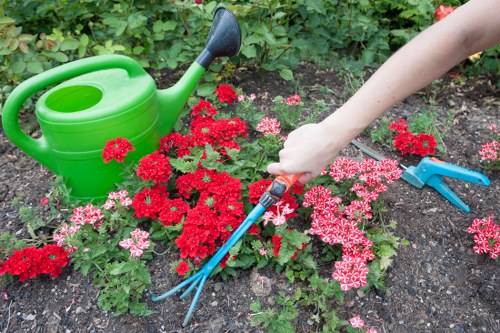
Good lawn care starts below the surface. If the soil is unhealthy, even the best mowing or feeding routine will struggle to deliver results. In Barbican, many lawns benefit from a soil assessment to check pH, texture, drainage, and nutrient levels. This helps identify whether the lawn needs lime, compost, fertiliser, or improved drainage.
Soil structure matters because roots need room to breathe and spread. Clay-heavy soil may hold too much water, while sandy soil may drain too quickly. In either case, adding organic matter can improve the balance. Compost, well-rotted topdressing, and regular aeration help create the right environment for grass to thrive.
When planning lawn care in Barbican, it is useful to think of the lawn as a living system. Roots, blades, soil microbes, moisture, and nutrients all work together. If one element is off, the entire lawn can suffer. That is why a layered routine is more effective than a quick fix. Focus on building a strong foundation, and the visible results will follow.
Helpful soil-improvement steps
- Test the soil pH and nutrient levels.
- Aerate compacted areas at least once a year.
- Apply compost or topdressing to improve structure.
- Use the right fertiliser based on the season.
- Repair drainage issues before they damage turf.
Smart Mowing Practices for a Better Lawn

Mowing may seem simple, but it is one of the most important parts of lawn care in Barbican. Cutting grass too short can stress the lawn, expose the soil, and encourage weeds. Cutting too infrequently can leave the lawn looking messy and create uneven growth. The goal is to maintain a balanced mowing routine that supports healthy development.
As a general rule, grass should be cut regularly during the growing season, with the blade height adjusted according to weather and grass type. In shaded areas, leaving the grass slightly longer can help it capture more light and stay stronger. In dry periods, a higher cut also protects the lawn from heat stress and moisture loss.
Sharp mower blades are essential. Dull blades tear the grass rather than cutting it cleanly, which can leave brown tips and increase the risk of disease. If you are committed to effective Barbican lawn maintenance, make sure your mower is serviced and cleaned regularly. A tidy, well-cut lawn gives a polished appearance and helps the grass recover faster after each cut.
Mowing tips that support healthy growth
- Never remove more than one-third of the grass height at a time.
- Keep blades sharp for a clean finish.
- Adjust cutting height according to season and shade.
- Avoid mowing wet grass where possible.
- Alternate mowing patterns to reduce soil compaction.
Watering Strategies That Work in Barbican

Watering is a major part of successful lawn care in Barbican, but more water is not always better. Many lawns suffer from overwatering, which can weaken roots, increase fungal problems, and waste resources. On the other hand, underwatering can cause grass to dry out, turn brown, and become patchy. The key is to water deeply and infrequently, encouraging roots to grow downward.
Early morning is usually the best time to water. This allows moisture to reach the roots before the day heats up and gives the grass time to dry before evening, reducing the chance of disease. If your lawn is shaded or grows in a sheltered courtyard, it may need less water than a lawn exposed to full sun. Local conditions matter, which is why Barbican lawn care should be tailored to your space.
If rainfall is frequent, you may need to reduce watering significantly. If the lawn is newly seeded or recently repaired, however, it will need more consistent moisture to establish properly. Monitoring the soil and grass appearance will help you decide when to water. A healthy lawn should feel springy underfoot and show no signs of prolonged stress.
Watering best practices
- Water early in the morning.
- Apply water deeply rather than in short bursts.
- Reduce watering during rainy periods.
- Focus on dry or newly repaired areas.
- Check soil moisture before watering again.
Feeding and Fertilising Your Lawn

Feeding is another core element of lawn care in Barbican. Grass uses nutrients to grow, recover from mowing, and resist stress from heat, shade, foot traffic, and pests. Without the right feeding schedule, even a lawn that looks healthy at first can become pale, weak, and uneven over time.
Different seasons call for different fertiliser formulas. Spring feeding usually supports growth and recovery after winter, while summer feeding should focus on strength and drought resistance. Autumn feeding helps roots store energy for colder months and prepares the lawn for renewed growth in spring. Choosing the right product at the right time can significantly improve the quality of your turf.
For lawn care Barbican properties, slow-release fertilisers are often a practical choice because they feed the grass gradually and reduce the risk of scorching. Organic options can also support soil life and long-term health. Whatever product you choose, always follow the instructions carefully. Overfeeding can do more harm than good, especially in sensitive urban lawns.
Signs your lawn may need feeding
- Pale or yellowing grass blades.
- Slow regrowth after mowing.
- Thin patches that do not fill in naturally.
- Weak recovery after dry or cold weather.
- General lack of vigour compared with healthy turf.
Controlling Weeds, Moss, and Lawn Pests
Weeds and moss are common concerns for anyone investing in lawn care in Barbican. Weeds compete with grass for water and nutrients, while moss often appears where soil is compacted, shaded, or too acidic. The best solution is not just to remove the problem but to address the cause. Healthy lawns naturally resist invasion more effectively than weak lawns.
Regular mowing helps prevent many weeds from flowering and spreading. Aeration, scarification, and topdressing can reduce moss by improving airflow and drainage. If weeds are already established, spot treatment or manual removal may be necessary. A targeted lawn care routine is more effective than relying on blanket treatments alone.
Pests can also affect lawns, although they are not always easy to spot at first. Signs may include irregular brown patches, loosened turf, or birds pecking at the grass. If you suspect pest activity, it is best to identify the issue early. Proper lawn care in Barbican should include regular inspection so that minor problems do not become major ones.
Ways to discourage moss and weeds
- Improve drainage and reduce compaction.
- Mow regularly at the correct height.
- Feed the lawn to strengthen grass growth.
- Overseed bare areas quickly.
- Remove weeds before they spread seeds.
Seasonal Lawn Care in Barbican
One of the best ways to keep a lawn in good shape is to adapt care tasks to the season. Lawn care in Barbican should never be static because the needs of grass change throughout the year. A lawn that is thriving in spring may struggle in summer if watering, mowing, and feeding are not adjusted. Likewise, a lawn that is neglected in autumn may enter winter in poor condition.
In spring, focus on recovery. Clear debris, aerate where needed, feed lightly, and repair any damaged patches. During summer, keep mowing at the correct height and water carefully during dry spells. Autumn is the ideal time for scarifying, overseeding, and applying feed that supports root development. In winter, avoid excessive foot traffic and do only light maintenance where necessary.
These seasonal adjustments are especially important in urban environments, where lawns often have less resilience than larger suburban gardens. By responding to changing conditions, you can maintain attractive turf and reduce the likelihood of expensive repairs later on. A seasonal plan is one of the smartest investments in Barbican lawn maintenance.
Seasonal tasks at a glance
- Spring: clean, aerate, feed, and repair.
- Summer: mow properly, water wisely, and monitor stress.
- Autumn: scarify, overseed, and strengthen roots.
- Winter: minimise damage and avoid unnecessary traffic.
The Role of Aeration and Scarification
Aeration and scarification are two of the most valuable treatments in lawn care in Barbican. Aeration involves creating small holes in the soil to relieve compaction and improve the movement of air, water, and nutrients. Scarification removes thatch and moss from the surface, allowing fresh grass to grow more freely. Together, these treatments can dramatically improve lawn health.
These processes are especially useful in gardens where the turf has become dense, tired, or patchy. If the lawn feels hard underfoot or water sits on the surface after rain, aeration may be needed. If there is a thick layer of dead grass or moss, scarification can help restore balance. While the lawn may look a little rough immediately after treatment, the long-term benefits are significant.
For the best results, aeration and scarification should be timed correctly. Autumn is often ideal because the grass can recover while temperatures are still mild. However, the right time can vary depending on the lawn’s condition and the weather. Consistent, well-timed care is what separates average lawns from outstanding ones.
Choosing the Right Grass for Barbican Conditions
Not all grass varieties perform equally well in urban settings. When planning lawn care in Barbican, it is wise to choose a grass mix that suits your garden’s sunlight, soil type, and usage levels. Some grasses cope better with shade, while others are more resistant to drought or wear. The right choice can reduce maintenance and improve long-term appearance.
For example, lawns with partial shade may benefit from fine fescues or similar shade-tolerant blends. Areas with higher traffic may need more durable mixtures that recover well after use. If your lawn is purely decorative, appearance may be prioritised over wear tolerance. If it is used by children, pets, or guests, durability becomes more important. Matching grass type to function is an important part of successful Barbican lawn care.
Whenever possible, use overseeding to refresh tired areas and maintain density. This helps prevent weeds from taking over and keeps the lawn looking even. A well-chosen grass mix, combined with consistent care, makes a noticeable difference to the overall quality of the space.
Grass selection considerations
- Shade tolerance for darker gardens.
- Drought resistance for sunnier locations.
- Wear tolerance for high-traffic spaces.
- Fast recovery after mowing or damage.
- Compatibility with your soil and maintenance routine.
Keeping Lawns Neat Around Paths, Edges, and Borders
A tidy lawn is about more than just the grass itself. Edging and border maintenance are also important parts of lawn care in Barbican. Clean edges create a polished look and help separate the lawn from patios, paths, flower beds, and driveways. Without edging, even a healthy lawn can look unfinished.
Edging tools can be used to create crisp lines along borders, while regular trimming prevents grass from spreading into unwanted areas. This is especially useful in compact urban spaces where every section of the garden is visible. When the lawn is neatly defined, the entire property looks more cared for and attractive.
Border areas should also be checked for overhanging plants, invasive roots, and debris that may block light or airflow. Careful attention to these details supports the overall health of the turf. Good lawn care in Barbican is just as much about presentation as it is about plant health.
When to Consider Professional Lawn Care in Barbican
Some lawn issues are easy to manage yourself, but others benefit from professional attention. If your grass is persistently patchy, heavily compacted, overrun with weeds, or affected by drainage problems, professional lawn care in Barbican may save time and produce better results. Experienced lawn specialists can diagnose issues quickly and recommend the most effective treatment.
Professional support can also be useful for larger properties, communal gardens, and homes where appearance matters year-round. Regular maintenance plans can include mowing, feeding, aeration, scarification, weed control, and seasonal treatments. This creates consistency and helps avoid the cycle of decline and repair that many lawns experience.
If you are unsure where to start, a professional assessment can clarify what your lawn needs most. Sometimes a few targeted improvements are enough to restore a lawn’s condition. If you want reliable results without guesswork, contact us today and take the first step toward healthier turf. Book your service now to keep your lawn looking its best.
Common Mistakes to Avoid in Barbican Lawn Maintenance
Even well-meaning homeowners can make mistakes that damage the lawn over time. One of the most common is mowing too short, which weakens grass and leaves it vulnerable to weeds and heat stress. Another is watering too often but too lightly, which encourages shallow roots. Both habits can undermine lawn care in Barbican and reduce the lawn’s resilience.
Ignoring soil health is another frequent issue. Grass may look fine for a while even if the soil is compacted or nutrient-poor, but the decline usually becomes visible later. Skipping seasonal tasks such as aeration, overseeding, and feeding can also lead to long-term problems. The best approach is to stay consistent and proactive.
Using the wrong products can also cause trouble. Too much fertiliser, the wrong weed treatment, or harsh chemicals may damage the turf rather than help it. A careful, informed approach always gives better results. When in doubt, seek advice before applying anything new.
Long-Term Benefits of Regular Lawn Care in Barbican
A well-maintained lawn offers more than good looks. It can improve the feel of a property, create a pleasant outdoor area, and increase the sense of order around the home. With regular lawn care in Barbican, you also support stronger grass roots, better moisture retention, and greater resistance to stress. In the long run, this can reduce repair costs and make the lawn easier to manage.
Consistent maintenance can also improve biodiversity in a small but meaningful way. Healthy grass, balanced soil, and careful watering support beneficial organisms and help the garden function more naturally. A thriving lawn can even make outdoor spaces more enjoyable for families, guests, and pets.
Most importantly, a maintained lawn reflects care and attention. In a visually busy urban setting, that sense of calm and cleanliness can make a real difference. Whether your priority is appearance, practicality, or long-term value, investing in Barbican lawn care is a sensible decision.
Final Thoughts on Lawn Care in Barbican
Successful lawn care in Barbican is about more than cutting grass now and then. It involves understanding local conditions, feeding the soil, mowing correctly, watering wisely, and taking seasonal action before problems build up. With the right routine, even a challenging urban lawn can become greener, denser, and healthier.
If you want your outdoor space to look its best, start with the basics and stay consistent. Improve the soil, choose suitable grass, keep weeds under control, and avoid the common mistakes that hold lawns back. Over time, these steps create a lawn that feels more resilient and more attractive in every season.
For homeowners and property managers who want dependable results, professional help can make the process easier and more effective. Contact us today to discuss your lawn needs, or book your service now and enjoy a cleaner, healthier lawn in Barbican.

